kudos to Judy and Betty
We just finished our second consecutive lovely weekend of weather. It was appreciated all
the more because Quadra welcomed 150 people from all over Vancouver Island and sur-
rounding islands for an Emergency Preparedness Planning workshop.
These are the folks who show up after a disaster like an earthquake or forest fire to help the
victims. The volunteers perform a variety of tasks, such as: helping reunite family members
who are separated in the crisis; issuing vouchers for meals, clothing and temporary housing;
tending to pets brought into the centres; and providing emotional support.
Quadra has a particuarly robust emergency crew, one of the biggest in the province. We
are a lively lot from all walks of life, kept in line by Judy Hagen and Betty Doak, who also
organized the workshop. Besides everything else they do, they have the unique task of
keeping us focused as we prepare and practice for events we hope will never happen.
There are various workshops throughout the year that train us for specific jobs like setting
up a reception centre, meet and greet, child care and security. Jude and I mostly do traffic
control, and that’s why we got to be outside in the glorious spring weather.
The conference was held at Tsa Kwa Luten Lodge, which has this impressive front
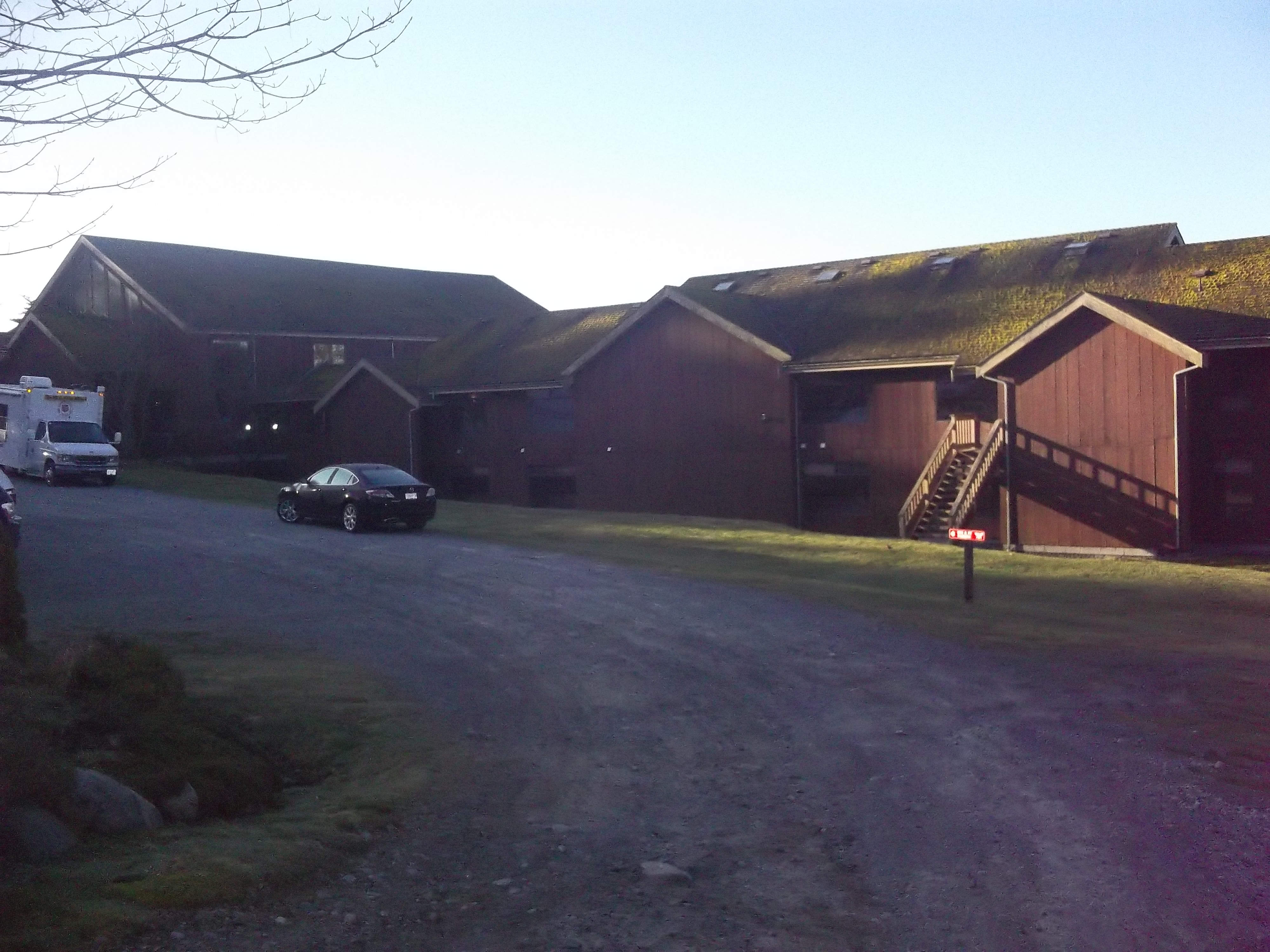
and these awesome views in the back.



The workshop started with a simulated bang. Local emergency responders demonstrated their
skills at a mock accident:


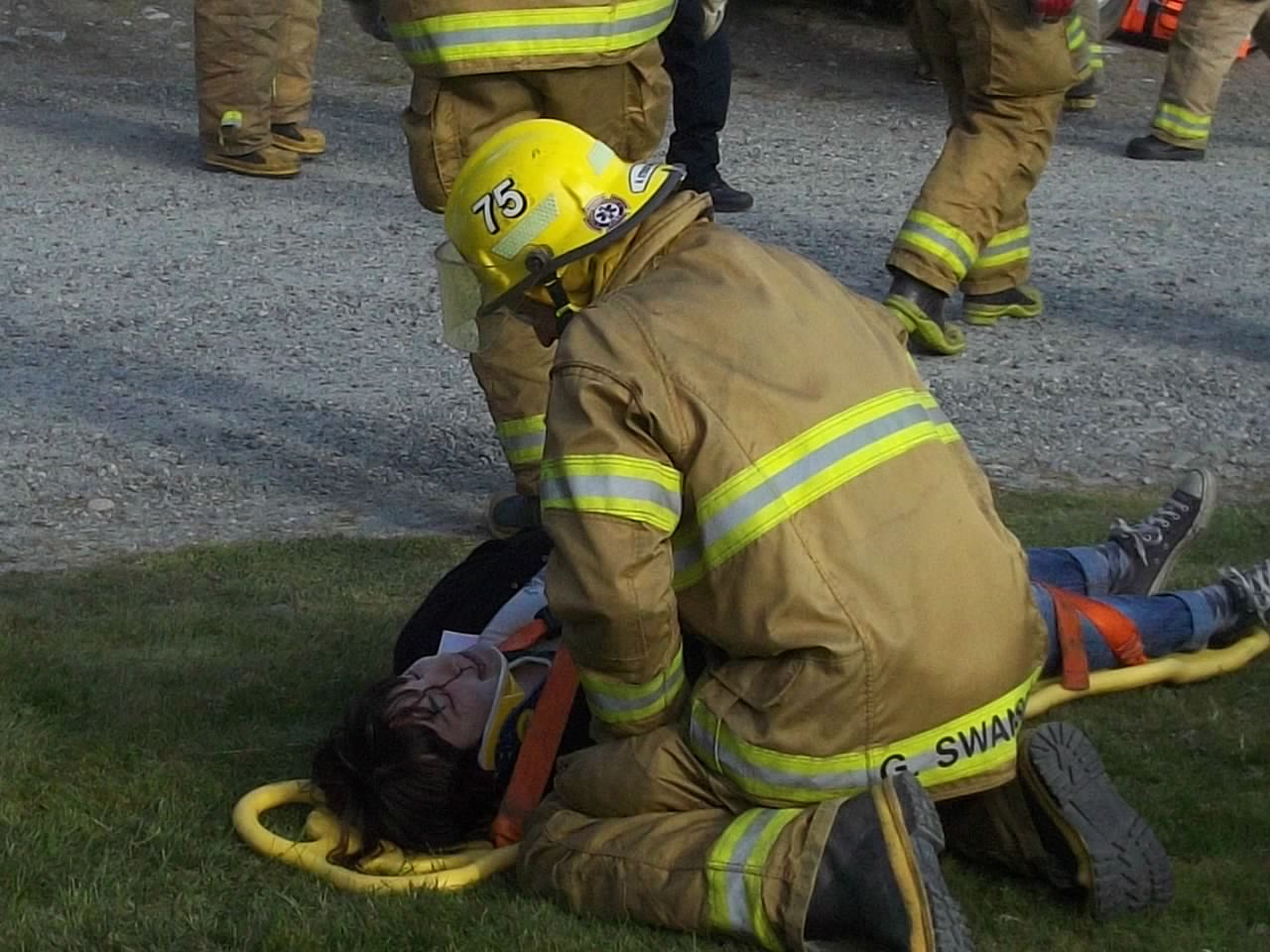
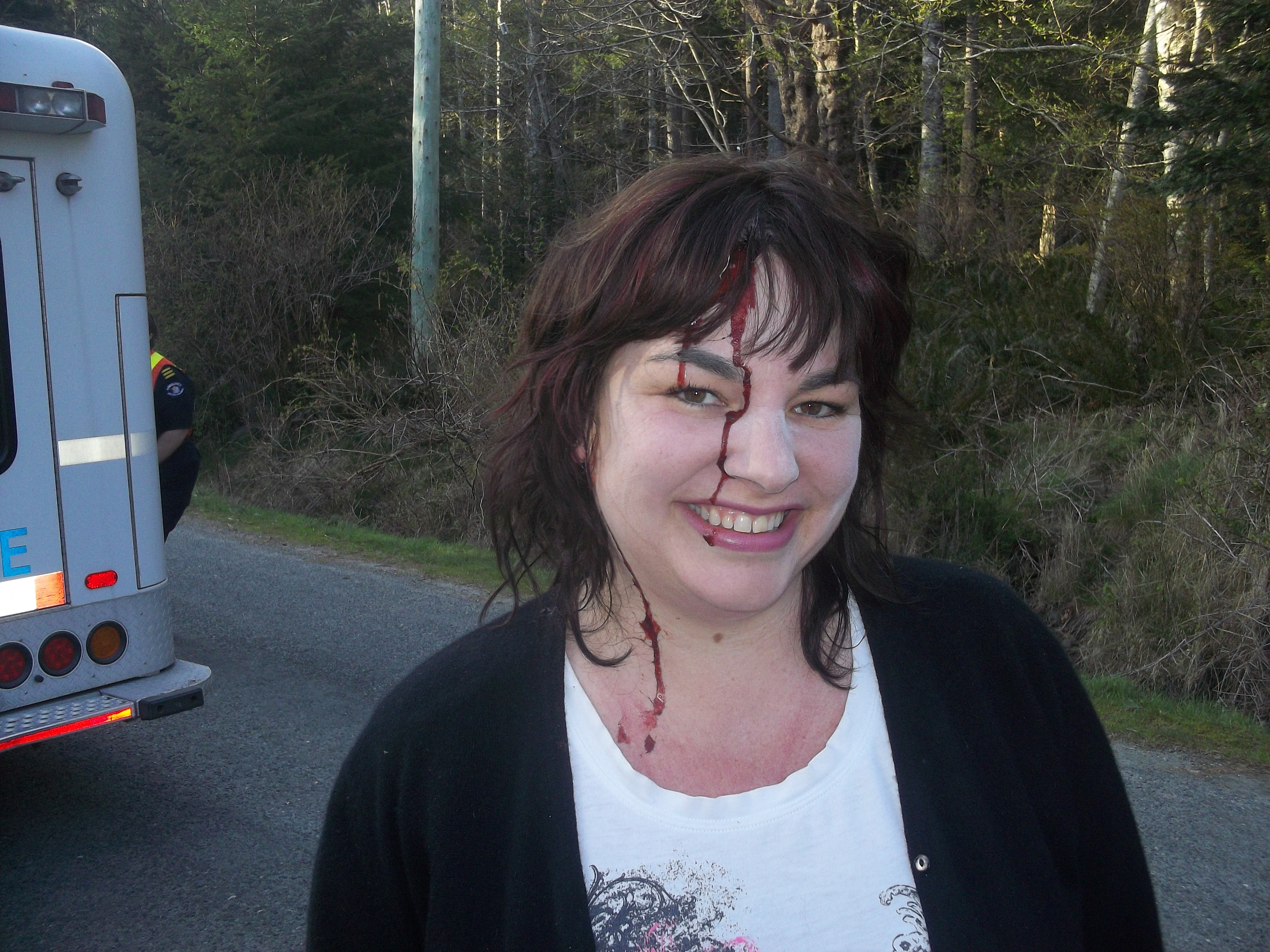 You’ll be relieved to know that the young
lady rescued from the truck, local theatrical
dynamo Julie Rigby, is doing much better.
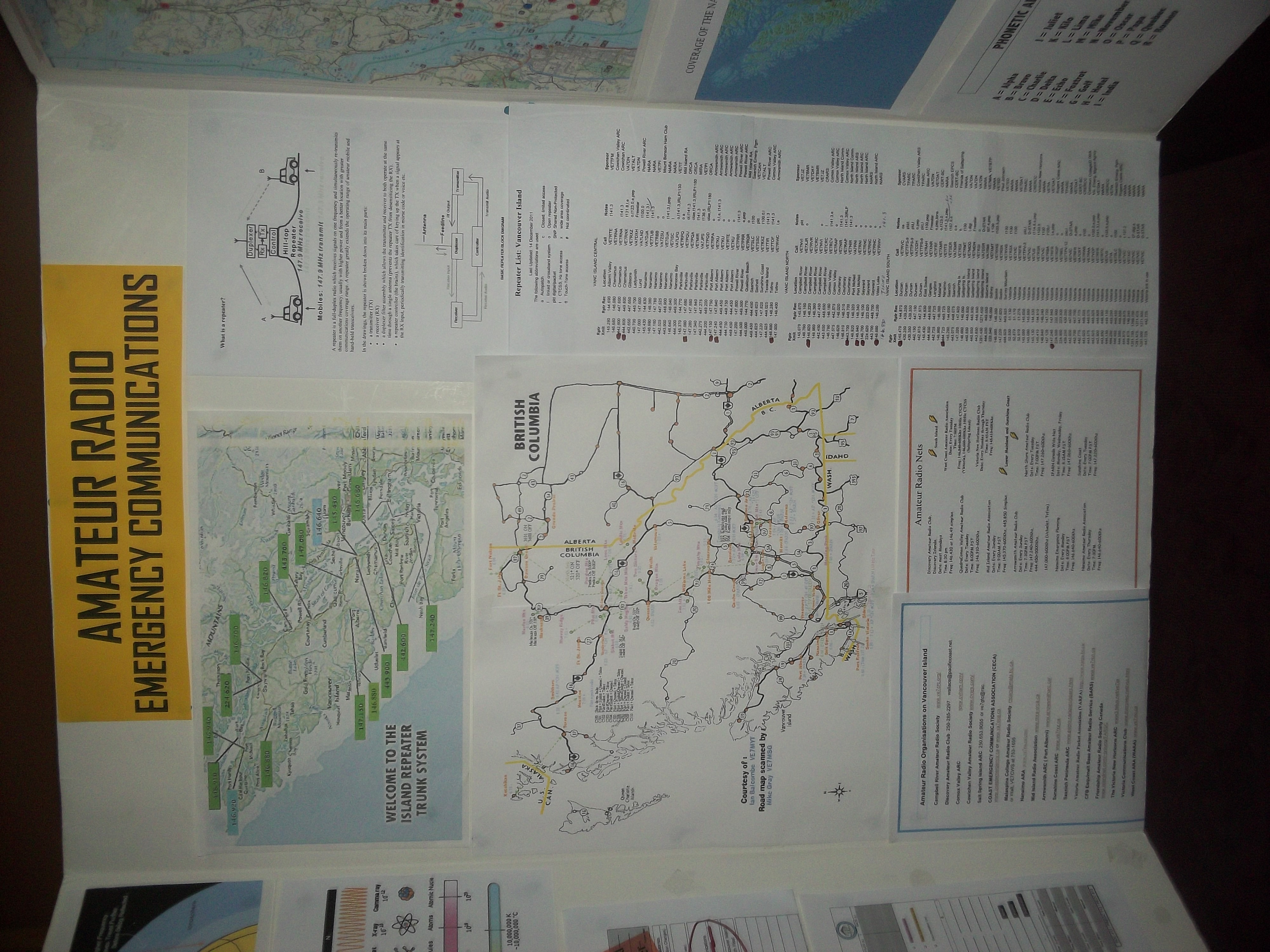
Inside, attendees heard talks like “Planning for Recovery”, “Search and Rescue as a Resource”,
“Update to Reception Centers” and “Stress Management for Volunteers”. They also looked at
displays like these:
Outside I learned more about my co-traffic controllers David, a retired engineer; Nathan,
a young minister; and Jude, my favourite wife. We soaked up rays and squeezed as many
vehicles — ranging from Smart cars to firetrucks — as possible into the most asymmetrical
parking lot I’ve ever seen.
We were able to cover each other for ample breaks. I even had time to win a FoodSaver
Vacuum Sealing System in a drawing, much to the delight of Jude, the aforementioned wife.
In slack times, I got better acquainted by this tree:
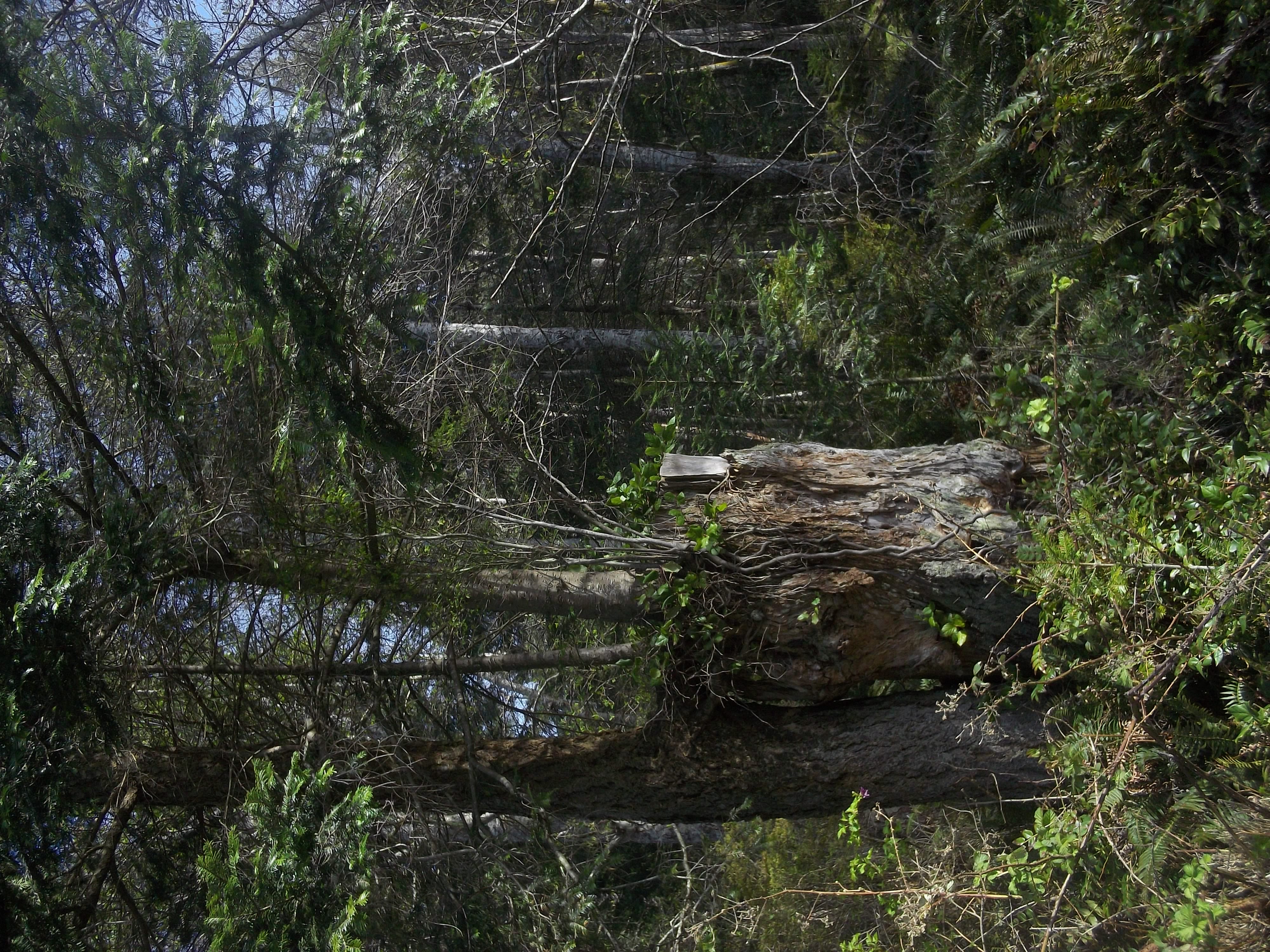
I really admired it because it didn’t let being cut down keep it from starting over.
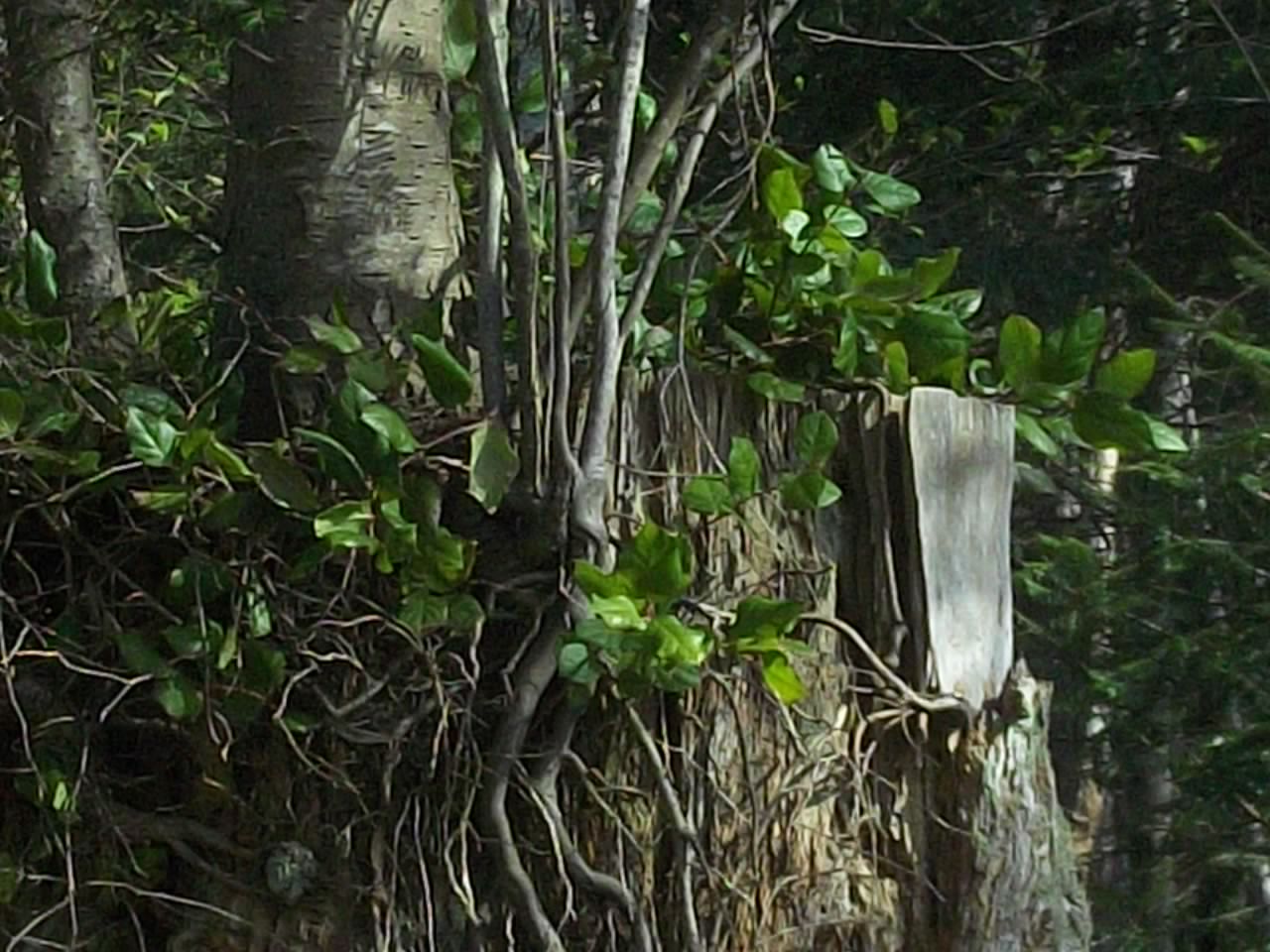
I also found time to figure out what my shadow would look like if I had a very long head.

P.S. Judy and Betty must wield an immense amount
of clout. It rained for several days before the
workshop, and it’s pouring today.

